Sodium Cyanide: A Comprehensive Safety Guide
Sodium Cyanide: A Comprehensive Safety Guide
Blog Article
Handling chemical sodium salt requires significant caution and precise adherence to protection protocols. This manual outlines critical procedures for avoiding exposure, including correct storage, private preventive apparel utilization, and crisis reaction plans for accidental leaks. Always consult the material protection information (MSDS) before operating with sodium nitrile and ensure that all workers are adequately instructed in its protected handling. Failure to observe these guidelines can result in severe physical consequences or even demise.
Secure Operation Procedures for Sodium Cyanide
Working with na cyanide demands strict adherence to proper handling practices . This highly poisonous substance requires dedicated training and apparatus. Consistently wear appropriate protective equipment , including gloves , ocular shielding , and a breathing device approved for compound exposure . Do not operate with yellow cyanide alone ; confirm a colleague is present . Correct airflow is essential to avoid inhalation of vapors . Contain yellow cyanide in a chilled , arid place , removed from acids and oxidizing substances . Promptly clean any releases following written steps, and eliminate of debris in compliance with local regulations .
- Study the Operational Document File.
- copyright a pristine area .
- Notify any events promptly .
Sodium Cyanide Storage: Essential Requirements
Correct handling of cyanide compound necessitates precise adherence to essential Sodium Cyanide Emergency Response Procedures storage protocols . Facilities assigned for sodium cyanide need be isolated, outfitted with suitable ventilation systems to prevent exposure hazards, and incorporate fail-safe containment in case of incidental release . Staff working in ferrocyanide management operations demand detailed instruction on secure handling and urgent response techniques .
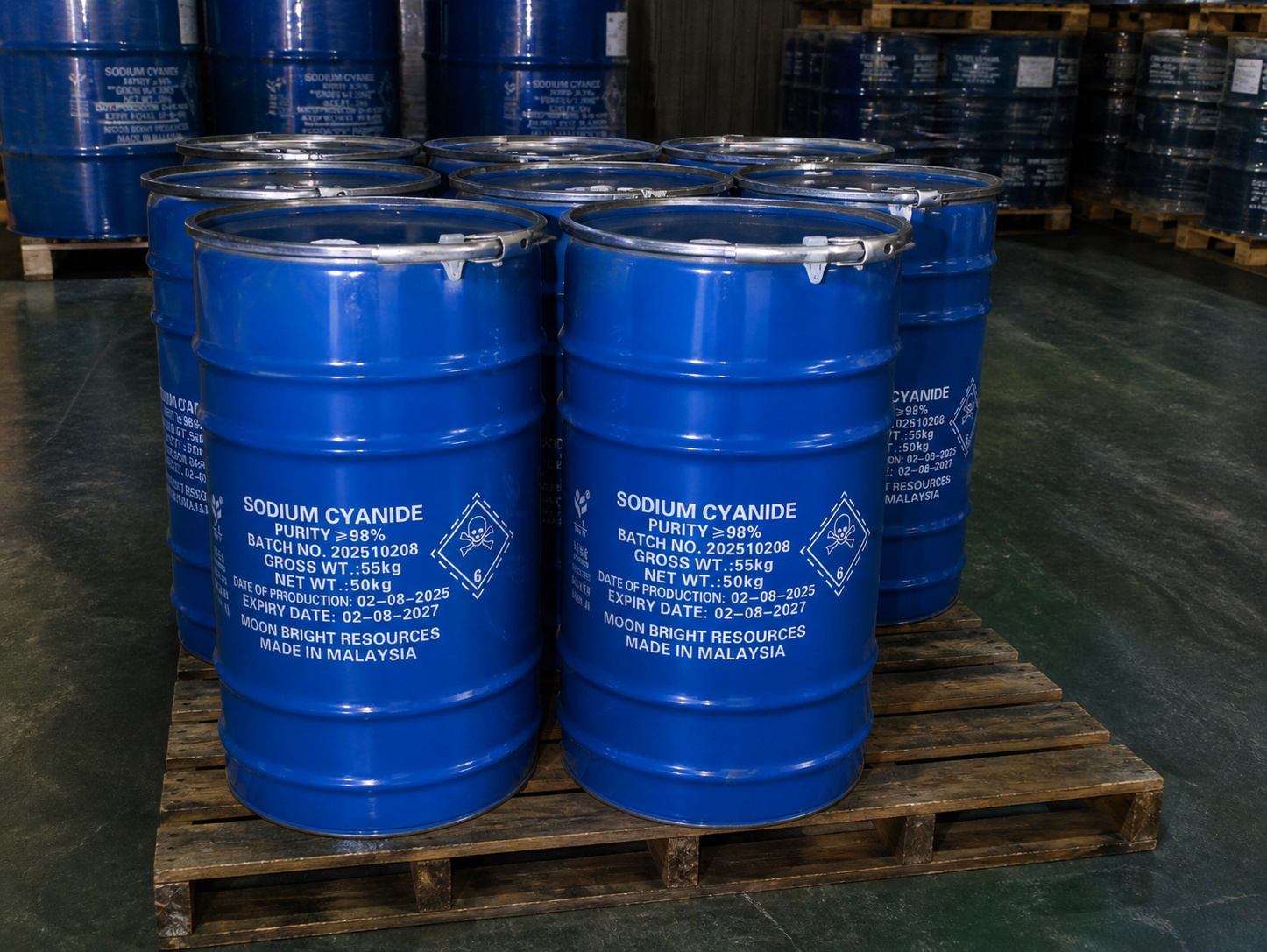
Navigating Sodium Cyanide Transportation Regulations
Moving dispatch of sodium cyanide presents an significant regulatory difficulty for organizations . Compliance with national guidelines is absolutely vital, demanding detailed understanding of agency -specific requirements. Regulations fluctuate based on type of transport (road, rail, air, sea) and destination . Shippers must securely contain the material, displaying correct labels and documentation including safety data sheets (SDS) and shipping documents. Training for staff handling the substance is mandatory and periodic audits are often necessary to maintain compliance .
- Review applicable regulations.
- Ensure adequate packaging.
- Provide correct documentation.
Understanding the Sodium Cyanide SDS: Key Information
Examining the Sodium Cyanide Safety Data Sheet is essential for personnel dealing with this dangerous chemical . Direct your consideration to the name section, which details the structure and risks. Additionally, thoroughly read the medical procedures described in case of contact . The material and reaction properties section gives critical information about its reactivity and conflicts . Finally, confirm that adequate safety gear is utilized based on the hazard evaluation in the MSDS.
Best Practices for Sodium Cyanide Risk Mitigation
Adopting comprehensive hazard mitigation strategies is paramountly important when handling sodium cyanide. Prioritize strict technical controls, such as enclosed movement systems, to reduce likely exposure. Worker training sessions must cover sufficient private safety gear (PPE) determination, crisis answer protocols, and danger information. Scheduled inspections of conservation places and work methods are necessary to detect and correct certain shortcomings. Finally, maintain thorough documentation of every processes associated to sodium cyanide to verify accountability and facilitate prospective improvements.
Report this page